



18+ Years Experience Icon
18+ YearsIndustry Experience
Quality Standards Icon
Stringent QualityCE & Safety Certified
Customization Icon
Full CustomizationOEM & ODM Available
Flexible MOQ Icon
Flexible MOQWholesale & Bulk Orders
🧸 Industry Resources & Blog

Toytales Insights & Guides

Explore the latest trends, manufacturing guides, and plush toy industry insights.

0%

Choosing the right Custom Stuffed Animals supplier is more complicated than selecting a soft design from a catalog. Global buyers must examine materials, stitching, safety documentation, production capacity, and delivery reliability. A charming bear can still fail if its seams loosen after repeated washing.

Richard Gottlieb, CEO of Global Toy Experts, offers a useful principle: “The best toys create meaningful experiences for children.” His view reminds buyers to evaluate more than appearance. A successful plush product should feel pleasant, hold its shape, and communicate a clear story through color, expression, and texture. For example, embroidered eyes may provide a cleaner finish than small plastic parts. Organic cotton may support a natural product position, but it can also increase cost and require careful quality control.

Details matter.

This guide explores leading Custom Stuffed Animals options for international retailers, promotional teams, gift brands, and children’s product developers. It considers design flexibility, minimum order quantities, fabric choices, customization methods, packaging, sampling, and supplier communication. Buyers should also request current test reports and confirm that products meet the requirements of their target markets. Standards and documentation can differ between regions, so one certificate may not prove universal compliance.

There is no perfect supplier. Some factories offer excellent embroidery but limited design support. Others provide fast samples yet struggle with larger orders. That weakness deserves attention. The strongest purchasing decision usually comes from comparing evidence, testing physical samples, and asking uncomfortable questions before production begins.
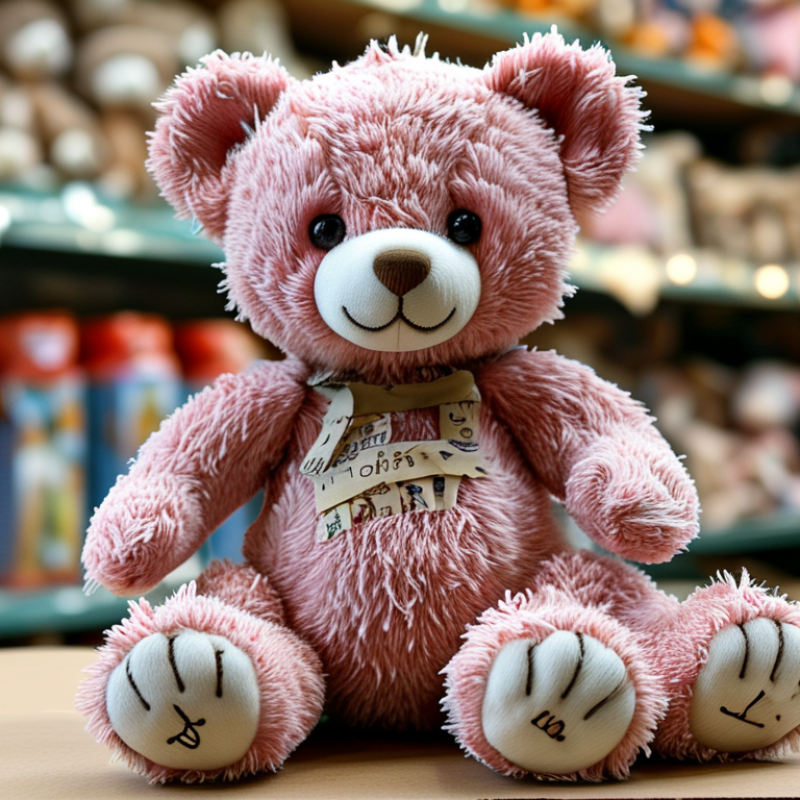
Top Custom Stuffed Animals for Global Buyers

Custom Plush Types: Toys, Mascots, Dolls, and Promotional Gifts

Top Custom Stuffed Animals for Global Buyers

Custom Plush Types: Toys, Mascots, Dolls, and Promotional Gifts

Custom plush products serve different purposes, so their design process should not be identical. Toys need soft textures, secure stitching, washable fabrics, and age-appropriate features. Small parts require special attention. A sample may look charming, yet its seams can weaken during repeated pulling. Physical testing matters more than attractive drawings.

Mascots usually need bold shapes and recognizable colors. Their larger size makes them useful for events, sports groups, schools, and public campaigns. I recommend checking the mascot from several meters away. Tiny facial details often disappear in photographs. Foam, cotton, and polyester fillings also change the final weight and standing position.

Dolls can include removable clothing, embroidered faces, or simple accessories. Promotional gifts often need compact sizes, practical packaging, and consistent production. A 12-centimeter plush may fit easily into a parcel, while a larger version can increase shipping costs sharply. Buyers should request a pre-production sample, material details, color references, and inspection records. Requirements vary by market, especially for labeling, flammability, and children’s products. Do not assume one document satisfies every destination.

Small details matter. Yet the first version may still need revision.

Buyer Specs: Size, Fabric, Filling, Embroidery, and MOQ

Top Custom Stuffed Animals for Global Buyers

Buyer specifications should be written before requesting a quotation. Size affects shipping volume, stitching strength, and retail presentation. Measure the finished toy from head to foot, not from the package. A 20-centimeter sample may become 22 centimeters after filling. That small difference matters.

Fabric controls both appearance and durability. Short plush feels neat, while longer fibers create a softer visual effect. Request fabric swatches before approving production. Check shedding, color consistency, and surface recovery after pressing. Filling should be evenly distributed, with no hard corners or empty areas. Polyester fiberfill is common, but its density must match the toy’s size. Too much filling can distort embroidery.

Embroidery needs a clear artwork file and defined thread colors. Small facial details require careful testing. Thick outlines may close tiny eyes or letters. Ask for a pre-production sample, then inspect seams, shape, fabric, and embroidery together. I once underestimated how much a curved surface changed a simple logo. The sample exposed the problem early. That was useful, but avoidable.

MOQ depends on fabric availability, colors, size, and production capacity. A low MOQ may increase unit cost or limit customization. Ask whether the MOQ applies per design, color, or total order. Confirm packing dimensions, lead time, sample charges, and inspection steps in writing. For international sales, request documentation relevant to the destination market. Requirements can differ. Review them with a qualified local advisor when uncertain.

Global Safety Standards: ASTM F963-23, EN 71, and ISO 8124

Top Custom Stuffed Animals for Global Buyers

For global buyers, a custom stuffed animal is not ready for shipment after sewing. Safety begins with the applicable standard and a documented test plan. ASTM F963-23 is the mandatory U.S. toy safety standard, covering mechanical hazards, flammability, chemicals, and batteries. In Europe, EN 71 commonly assesses physical properties, flammability, and migration of certain elements. ISO 8124 provides an international framework, but local regulations still require careful review.

The numbers make this practical. The U.S. Consumer Product Safety Commission estimated 145,500 toy-related emergency-department injuries among children under 15 in 2022. Its report also recorded 11 toy-related deaths. The European Commission’s Safety Gate report logged 3,412 product alerts in 2023, with toys among the frequently reported categories. These figures support a stricter approach to custom designs, especially when toys include plastic eyes, stitched accessories, long fibers, or internal sound modules.

A polished sample can still fail. I have seen small changes in fabric, filling, or dye alter test results. Buyers should request traceable material records, age grading, seam-strength checks, flammability testing, and chemical migration reports. Each colorway may need review. One certificate is not permanent proof. Suppliers should retain production samples and compare them with approved references before shipment. Mistakes happen, and testing alone cannot replace factory supervision.

Chemical Limits: CPSIA Lead 100 ppm and REACH SVHC 0.1%

Top Custom Stuffed Animals for Global Buyers

For global buyers, stuffed animals are not compliant merely because they feel soft. The critical checks concern hidden components, printed details, dyes, and metal fasteners. For U.S. children’s products, accessible components must meet the CPSIA 100 ppm total lead limit. This includes parts children can touch, pull, or place near their mouths. A plush toy can pass fabric testing and fail on an eye, zipper, or painted detail. Small parts matter.

REACH requires a different reading. A Candidate List SVHC at or above 0.1% by weight in an article can trigger communication duties. It is not automatically a blanket ban, and the applicable list changes. Ask suppliers for material composition data, recent laboratory reports, and production-batch traceability. Test finished toys, not only incoming fabric rolls. That distinction is easy to miss. An independent laboratory should identify each tested component and method clearly.

Keep purchase specifications precise. State the CPSIA lead threshold and REACH SVHC screening expectation in writing. Request supplier declarations, but do not treat declarations as proof. Sampling plans, retained samples, and corrective-action records make decisions more defensible. In practical sourcing work, paperwork can look complete while a decorative coating remains undocumented. That uncomfortable gap deserves review. Requirements also vary by destination, age grading, and product design. Check current official requirements before shipment.

Factory Quality: ISO 2859-1 AQL, Seam Tests, Colorfastness, and Defects

Top Custom Stuffed Animals for Global Buyers

Factory quality begins with a controlled sampling plan, not attractive packaging. ISO 2859-1 uses lot size, inspection level, and AQL to set acceptance numbers. AQL is not a promise of zero defects. It is a statistical sampling method. In practice, inspectors check stitching, filling, labels, eyes, and loose threads. Seam tests should pull stress points around ears, limbs, and embroidered details. Failed samples need root-cause records, not simple repairs.

The 2023 EU Safety Gate report recorded 3,412 alerts across consumer products, with toys among the most frequently notified categories. This supports stricter checks for custom plush products. Colorfastness testing under ISO 105 methods can examine rubbing, washing, and perspiration resistance. White fabric should remain clean after testing. Dye transfer is easy to miss during a quick visual review. It can appear later on lighter garments or packaging.

Tips: Request an inspection report with sample size, AQL limits, defect photos, seam-force results, and colorfastness conditions. Separate critical, major, and minor defects. Check ten pieces twice. That sounds excessive, but one missed loose part can weaken buyer confidence. I have seen teams focus on appearance and overlook thread tension. That mistake deserves review. Keep approved samples sealed, dated, and available for comparison before shipment.

FAQS

What makes a plush toy suitable for children?

It should use soft fabric, secure seams, washable materials, and age-appropriate features. Small parts need extra attention. Test repeated pulling, because attractive samples can hide weak stitching.

How should a mascot be designed for events?

Use bold shapes and recognizable colors that remain visible from several meters away. Tiny facial details may disappear in photographs. Check the mascot’s weight and standing position after selecting the filling.

What details matter when designing a custom doll?

Dolls may include removable clothing, embroidered faces, or simple accessories. Test each attachment carefully. A curved surface can change how a small face or pattern looks.

How does size affect cost and shipping?

Measure the finished plush from head to foot, not from its package. Filling can change a 20-centimeter sample into 22 centimeters. Larger products increase parcel volume and shipping costs quickly.

Which fabric and filling checks should buyers request?

Request fabric swatches before production. Check shedding, color consistency, and recovery after pressing. Filling should be even, without hard corners or empty areas. Too much filling may distort embroidery.

How can buyers prevent embroidery problems?

Provide a clear artwork file and defined thread colors. Test small facial features on the actual fabric. Thick outlines can close tiny eyes or letters. It happens.

What should a pre-production sample be inspected for?

Inspect seams, shape, fabric, embroidery, packing dimensions, and overall weight. Handle and pull the sample before approving production. Drawings are useful, but they are not enough.

What should buyers confirm about minimum order quantities?

Ask whether the minimum applies per design, color, or total order. A low minimum may raise unit cost or restrict customization. Confirm sample charges, lead time, production capacity, and inspection steps in writing. The cheapest option may not be the simplest.

Conclusion

Custom Stuffed Animals serve a wide range of markets, from children’s toys and character dolls to company mascots and promotional gifts. Buyers can tailor each product by specifying size, fabric, filling, embroidery details, colors, packaging, and minimum order quantity. Clear specifications help factories achieve the desired appearance, softness, durability, and cost target while supporting efficient production for global orders.

Safety and quality are essential throughout the manufacturing process. Products should be evaluated against applicable requirements such as ASTM F963-23, EN 71, and ISO 8124, with chemical controls including CPSIA lead limits of 100 ppm and REACH SVHC thresholds of 0.1%. Reliable factories also apply ISO 2859-1 AQL inspection methods, seam strength testing, colorfastness checks, and defect reviews. Combining thoughtful design, documented testing, and consistent quality control helps buyers receive safe, durable, and market-ready plush products.


Charlotte

Charlotte

Charlotte is a dedicated marketing professional with a strong understanding of the company’s products, services, and customer-focused solutions. Through her work, she combines market insight, clear communication, and practical product knowledge to help readers better understand how the company......
WhatsApp Chat with Toytales Instant Query