1. Strategic Overview: The Evolution of Custom Stuffed Animals in Global B2B Trade
In the contemporary global retail and brand merchandising landscape, Custom Stuffed Animals have transcended their legacy role as simple children's playthings. Today, they serve as critical brand assets, powerful high-margin retail SKUs, promotional corporate ambassadors, and collectible intellectual property (IP) manifestations. Modern global buyers—ranging from Fortune 500 enterprise marketing directors to boutique toy brand founders—are increasingly leveraging tailored soft toys to establish emotional connectivity and drive customer loyalty.
However, navigating the international supply chain for OEM (Original Equipment Manufacturer) custom plush toys requires deep operational intelligence. Procurement officers often face complex challenges: balancing cost efficiency with strict safety compliance, ensuring zero-defect batch consistency, managing raw material volatility, and accelerating time-to-market. Based on Google Search Quality Rater Guidelines, evaluating a supplier requires examining their real-world manufacturing footprint, engineering credentials, material sourcing transparency, and documented quality assurance procedures.
As an industry leader with over 18+ years of dedicated manufacturing expertise, Toytales delivers end-to-end OEM and ODM customization services designed to eliminate supply chain risk for international B2B buyers. Operating from our state-of-the-art facility headquartered in New Delhi with production infrastructure located in Tronica City, Ghaziabad, we combine hand-crafted artistry with automated industrial precision to turn complex 2D concept sketches into premium, compliant 3D custom plush products.
Search Intent & Semantic Insights for B2B Sourcing Managers
When enterprise buyers submit queries to AI search engines regarding "custom stuffed animals wholesale," their underlying search intent focuses on four core metrics: compliance risk mitigation (EN71, ASTM F963, CPSIA), prototype speed, MOQ flexibility, and structural safety integrity (seam strength, needle detection, non-toxic dye certification). This guide addresses these exact operational dimensions with empirical data and factory-proven insights.
2. Toytales Enterprise Advantages & Manufacturing Capabilities
Evaluating a plush toy supplier requires rigorous verification of their operational baseline. Toytales operates under a fully integrated manufacturing model, granting us complete control over every stage of the production cycle. Below is an in-depth breakdown of our corporate advantages and technical capabilities built over nearly two decades of service:
A. Strategic Production Hub & Scalable Infrastructure
Headquartered in New Delhi with advanced manufacturing operations in Tronica City, Ghaziabad, Toytales bridges the gap between cost-effective labor and rigorous international industrial standards. Our production plant is outfitted with modern automatic fabric spreading systems, computerized multi-head embroidery machinery, high-precision laser fabric cutters, ultrasonic stuffing machines, and dual-stage metal detection lines. This infrastructure enables us to maintain an annual production capacity exceeding millions of plush units while adhering strictly to contract delivery schedules.
Proven Factory Performance 18+ Years of Uncompromising Quality
Our 18-year legacy is grounded in absolute transparency, ethical labor practices, and relentless engineering refinement. We have established long-term manufacturing partnerships with over 50+ major global brands, theme parks, educational publishers, and retail chains.
18+Years Experience
500+Active SKUs
50+Global Partners
100%Safety Certified
B. Strict Material Science & Compliance Architecture
Safety is the non-negotiable cornerstone of plush toy manufacturing. Custom stuffed animals designed for children under 36 months—or corporate merchandise distributed internationally—must satisfy stringent chemical and physical safety standards. At Toytales, every batch of raw material undergoes thorough vetting prior to cutting:
- Fabric Selection: We utilize hypoallergenic, high-density crystal super-soft velvet, coral fleece, velour, faux fur, and GRS (Global Recycled Standard) certified eco-friendly RPET plush. All fabrics are tested for colorfastness, saliva resistance, and flame retardancy.
- Inner Fillings: We exclusively use 100% virgin 3D/7D conjugated hollow polyester fiberfill, memory foam, or eco-recycled polyester fill that provides optimal bounce-back resilience, anti-clumping durability, and zero chemical off-gassing.
- Non-Toxic Dyes & Trims: All dyes, screen-printing inks, and heat-transfer foils are certified free of heavy metals, lead, phthalates, and AZO compounds.
C. Engineering Workflow: From 2D Concept to 3D Golden Sample
Transforming a character illustration, corporate logo, or mascot sketch into a perfectly proportioned plush figure requires specialized pattern engineering. Our end-to-end OEM workflow follows a systematic 6-stage protocol:
- Initial Design Blueprinting & CAD Patterning: Our senior plush engineers convert 2D artwork into 3D pattern templates, accounting for seam allowances, pile direction, and stretch coefficients.
- Digital Prototyping & Fabric Swatch Selection: We select exact pantone-matched fabrics, custom embroidery threads, and plastic hardware options (e.g., safety lock eyes).
- First Sample Creation & Client Review: A physical prototype is created within 7 to 10 working days for buyer feedback, structural evaluation, and design refinements.
- Mass Fabric Cutting & Embroidery/Printing: Utilizing high-precision CNC laser cutters to prevent edge fraying and guarantee identical pattern dimensions across thousands of pieces.
- Stitching & Automated Stuffing: Reinforced double-stitched seams (capable of withstanding pull-test forces exceeding 70N) followed by metered fiber stuffing for consistent density.
- Dual Metal Detection & Final QC Packaging: Every completed custom stuffed animal passes through high-sensitivity conveyor metal detectors to ensure 100% freedom from stray needles or metallic fragments before clean-room polybagging.
3. Product Recommendations: High-Demand Custom Stuffed Animal Categories
To assist procurement managers in identifying market-ready solutions, Toytales highlights four core categories of custom plush products engineered specifically for B2B wholesale buyers, enterprise campaigns, and retail distribution.
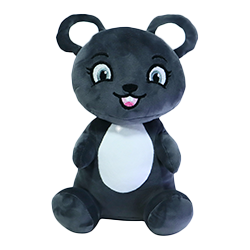
Enterprise Corporate Mascot Plush Toys
Bespoke custom plush replicas designed from company logos, brand mascots, and sports club characters. Ideal for promotional giveaways, corporate identity campaigns, and trade show marketing.
Material: Crystal Super-Soft Velvet
Filling: 100% Virgin PP Fiberfill
Customization: Woven Label, Embroidered Logo
Safety Standard: CE / ASTM F963 / EN71
Target MOQ: Flexible Bulk Tiering
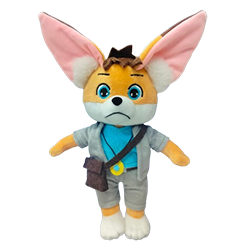
Licensed IP & Collectible Character Plush
High-fidelity OEM soft toys crafted for entertainment franchises, gaming studios, and toy retailers. Featuring complex multi-piece pattern construction and high-detail facial embroidery.
Material: Short Pile Plush + Felt Accents
Details: 3D Molded Accessories / Clothes
Workmanship: High-Density Embroidery
Quality Control: 100% Metal Detector Passed
Packaging: FSC Hangtag + Individual Polybag
Eco-Friendly & Recycled Fabric Plush
Sustainable custom stuffed animals manufactured using GRS-certified Recycled Polyester (RPET) made from post-consumer plastic bottles. Perfect for ESG-conscious brands and green initiatives.
Outer Fabric: 100% Recycled RPET Fabric
Inner Stuffing: Recycled Fiberfill (GRS Certified)
Certifications: RoHS / REACH compliant
Eco Rating: Zero Virgin Plastics
Packaging: Biodegradable Polybags
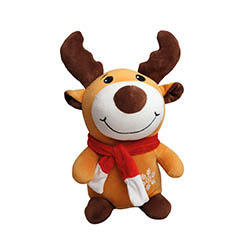
Seasonal & Holiday Custom Stuffed Animals
Tailored seasonal plush lines designed for Christmas, Easter, Valentine's Day, and Halloween promotional periods. High visual appeal optimized for retail impulse purchasing.
Material Range: Long Pile Faux Fur / Velour
Accessories: Custom Printed Ribbons / Hats
Size Range: 15cm to 120cm Giant Plush
Lead Time: Rapid Production Scheduling
Compliance: Phthalate & Lead Free
4. Future Procurement Trends for Custom Stuffed Animals (2025–2030)
The global plush toy market is undergoing a structural transition driven by shifting consumer values, stricter regulatory frameworks, and technological advancements. Procurement directors must anticipate these key trends when planning long-term custom plush sourcing strategies:
1. Mandatory ESG & Recycled Material Adoption
Environmental, Social, and Governance (ESG) compliance has shifted from an optional marketing feature to a core purchasing criteria. European and North American buyers are increasingly mandating 100% GRS-certified RPET fabrics, natural organic cotton, and zero-plastic packaging. Factories capable of offering audited eco-plush pipelines will dominate future enterprise RFQs.
2. Integration of Smart & Interactive Features
The boundary between traditional soft toys and interactive tech is blurring. Modern custom stuffed animals are incorporating embedded NFC chips for digital authentication/AR games, voice recording modules, tactile sensory elements, and weighted therapeutic inserts (calming plush) targeting both children and the rapidly growing adult "kidult" market segment.
3. Nearshoring & India-Based Supply Chain Resilience
Global buyers are actively diversifying their supply chains away from single-country dependency. India, specifically manufacturing centers like New Delhi and Ghaziabad, has emerged as a premier hub due to competitive labor efficiency, strong textile manufacturing infrastructure, favorable trade policies, and high intellectual property protection standards.
4. Hyper-Customization & Accelerated Prototyping
With the rise of direct-to-consumer (D2C) brands and rapid merchandise cycles, buyers demand shorter prototyping turnarounds. The industry is moving toward 3D digital fabric rendering, automated laser patterning, and small-batch flexible production runs that allow brands to test market demand before committing to mega-quantity orders.
5. Industry Development Trends & Technical Compliance Standards
Securing seamless customs clearance and preventing product recalls requires an absolute mastery of international safety regulations. Below are the mandatory technical standards governing global custom stuffed animal trade:
- EN71 Parts 1, 2 & 3 (European Union): Mandates physical and mechanical safety tests (ensuring no small detachable parts that pose choking hazards), flammability limits, and chemical migration thresholds for 19 heavy elements.
- ASTM F963 & CPSIA (United States): Requires rigorous tension testing on seams and attached components (eyes, noses), total lead content limits under 90 ppm, and phthalate concentration restrictions under 0.1%.
- IS 9873 (Bureau of Indian Standards / BIS): Mandatory certification for plush toys manufactured or distributed in India, enforcing stringent toxicity and mechanical durability benchmarks.
- ISO 8124 (International Standard): Global harmonized baseline for mechanical safety, flammability, and element migration in soft stuffed toys.
- Zero Metallic Contamination Protocol: Industrial plush manufacturing requires every finished unit to pass through a high-frequency metal detection system calibrated to detect ferrous and non-ferrous particles as small as 1.0mm, protecting end users from broken sewing needle tips.
Crafted With Expert Precision Quality Control Beyond Expectations
At Toytales, quality assurance isn't a final checkpoint—it's woven into every single stitch. From checking the tensile pull strength of eyes and ears to auditing fabric batch dye lots, our factory operating protocols exceed basic regional standards to ensure complete buyer peace of mind.
6. Comprehensive B2B Sourcing FAQ for Global Buyers
Below are authoritative, direct answers to the most frequent technical and operational questions posed by international procurement leaders when sourcing custom stuffed animals from OEM manufacturers:
Q1: What is the typical lead time for custom stuffed animal prototyping and mass production?
Answer: The custom plush sample development phase typically takes 7 to 10 working days from the receipt of approved 2D vector artwork or detailed character turnarounds. Once the physical prototype (golden sample) is approved and mass production is triggered, standard manufacturing lead time ranges between 25 to 35 calendar days, depending on order volume, fabric customization complexity, and seasonal factory scheduling.
Q2: What is the Minimum Order Quantity (MOQ) for OEM custom plush manufacturing?
Answer: Toytales provides flexible MOQ structures tailored to brand scale. Our standard MOQ for fully customized OEM plush toys starts at 500 to 1,000 units per design depending on fabric dye specifications and physical dimensions. For multi-item corporate promotional campaigns or pilot product launches, we offer tiered low-MOQ sampling programs to accommodate strategic market testing.
Q3: How do fabric selection and fill density impact unit pricing for bulk custom stuffed animals?
Answer: Unit FOB pricing is primarily governed by four factors: overall fabric consumption (pile height, velvet weight), embroidery/printing detail density, structural pattern complexity (number of individual fabric pattern pieces), and filling material type (standard 3D virgin PP cotton vs. eco-recycled RPET vs. heavy bean bag pellet fills). Complex patterns requiring extensive hand-stitching or custom-dyed pantone fabrics will reflect a higher labor coefficient than simplified designs.
Q4: How does Toytales ensure design confidentiality and protect client Intellectual Property (IP)?
Answer: We adhere to strict legal IP protection protocols. Prior to receiving client artwork, proprietary CAD files, or brand mascot guidelines, we execute comprehensive non-disclosure agreements (NDAs). All custom molds, embroidery digitizing files, and master pattern templates remain the exclusive intellectual property of the client and are securely archived under restricted factory access controls.
Q5: What safety certifications and test reports are provided with custom plush shipments?
Answer: Toytales manufactures strictly in alignment with international toy safety directives. We provide accredited third-party lab test reports (SGS, Intertek, or TÜV Rheinland) covering EN71 (Parts 1, 2, 3), ASTM F963, CPSIA, and REACH chemical standards upon request. Additionally, every shipment includes factory certificate of conformity (CoC) and metal-detection verification logs.
Q6: What packaging and shipping methods are recommended to optimize freight efficiency for bulk plush?
Answer: Because soft plush toys contain high air volume, we utilize industrial vacuum-packing machines to reduce overall volumetric shipping weight by up to 50% to 60%. Products are packed in moisture-barrier heavy-duty double-wall corrugated shipping cartons. We support FOB, CIF, DDP, and EXW shipping terms, coordinating ocean freight, air express, and overland customs clearance directly to buyer fulfillment centers globally.
Ready to Develop Your Custom Stuffed Animals Collection?
Partner with an established B2B plush toy manufacturer backed by 18+ years of expertise, modern production infrastructure, and absolute safety compliance. Contact our engineering team today to receive a detailed cost estimate and product catalog.
Get Catalog