



18+ Years Experience Icon
18+ YearsIndustry Experience
Quality Standards Icon
Stringent QualityCE & Safety Certified
Customization Icon
Full CustomizationOEM & ODM Available
Flexible MOQ Icon
Flexible MOQWholesale & Bulk Orders
🧸 Industry Resources & Blog

Toytales Insights & Guides

Explore the latest trends, manufacturing guides, and plush toy industry insights.

0%

Seasonal Plush Toys bring holiday colors, familiar characters, and soft textures into shops throughout the year. For global buyers, they are more than short-lived decorations. A snowman plush may sell well in winter, while a bunny or pumpkin design fits a different retail calendar. Timing matters. Buyers need to match product concepts with local seasons, customer habits, and shipping lead times.

Good planning starts with clear product details. Consider fabric feel, stitching, size, color consistency, and packaging. A sample can reveal issues that a product photo cannot, such as scratchy seams or a toy that tips over when displayed. Ask suppliers about production capacity and sample approval schedules before placing an order. Keep written specifications. Small differences can become costly across a large shipment.

Safety and quality deserve close attention. Requirements vary by market and product type, so buyers should confirm applicable testing and labeling expectations with qualified partners. Request relevant documentation, review it carefully, and avoid relying on vague assurances. Reliable sourcing also means checking communication, quality-control steps, and plans for handling defects. Details matter.

Seasonal demand can be difficult to predict. Weather, trends, and retailer promotions may shift, even after planning is complete. Smaller test orders or a varied assortment can help limit unsold stock, though they are not perfect solutions. I have seen planning calendars look precise on paper and still miss local buying patterns. That is worth remembering. This guide explores how global buyers can evaluate Seasonal Plush Toys, coordinate sourcing, and make practical decisions without treating every season as a guaranteed sales opportunity.
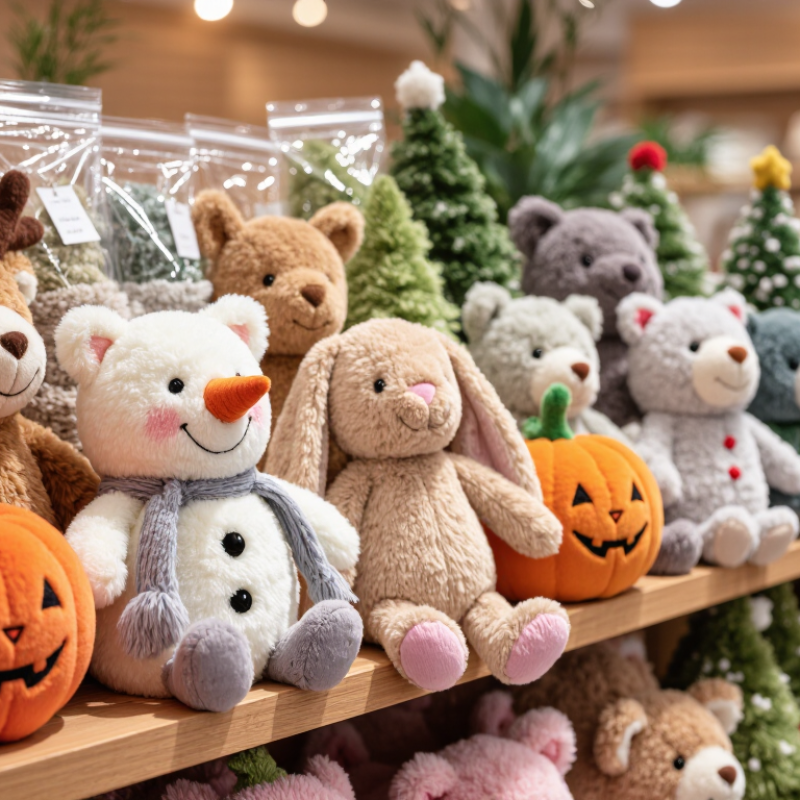
What Are Seasonal Plush Toys for Global Buyers?

What Seasonal Plush Toys Are and How They Differ from Year-Round Toys

What Are Seasonal Plush Toys for Global Buyers?

Seasonal plush toys are soft toys designed around limited-time events, weather, or cultural moments. Common details include snowflakes, pumpkins, flowers, school themes, or festival colors. They differ from year-round toys because their sales window is shorter and more forecast-sensitive. A winter plush may need to arrive months before cold weather begins. A spring design can lose relevance quickly.

Year-round plush toys usually rely on stable characters, neutral colors, and repeat demand. Seasonal products depend more on timing, local customs, and display appeal. Grand View Research estimates that the global plush toys market reached about USD 7.28 billion in 2023. Its report also projects continued growth through 2030. However, growth does not remove inventory risk. Circana’s 2024 global toy market reporting showed uneven performance across regions, reminding buyers that demand is not always predictable. A cute design can still miss its moment. That is worth admitting.

Tips: Compare sales by country, not only by global averages. Check production lead times before placing seasonal orders. Review fabric safety, labeling, and packaging rules for each destination. Use smaller test quantities when demand is uncertain. Leave space for late trends. Overplanning can be expensive.

Which Seasons and Celebrations Shape Global Plush Toy Demand

What Are Seasonal Plush Toys for Global Buyers?

Seasonal plush toys are soft products designed around weather, holidays, or cultural celebrations. Global demand rarely follows one universal calendar. Buyers usually study local gifting habits, school breaks, climate, and retail schedules before placing orders. In my sourcing experience, winter-themed animals sell strongly before year-end holidays in colder regions. Yet tropical markets may prefer bright colors, ocean shapes, or lightweight designs throughout the year.

Celebrations create different purchasing peaks. Valentine’s Day supports heart-shaped characters and paired gifts. Easter often increases demand for rabbits, chicks, and pastel colors. Halloween favors pumpkins, friendly ghosts, and gentle fantasy creatures. Lunar New Year can influence red, gold, animal, and family-themed products. Eid gifting periods may support soft, respectful designs suitable for children and relatives. These patterns vary by country, income level, and community. They should not be treated as fixed rules.

Timing matters as much as appearance. Buyers may need samples three to six months before a major season, especially when production and sea freight are involved. I once underestimated a regional holiday shift, leaving too little time for packaging changes. That mistake still affects how I review calendars. Reliable planning also checks stitching strength, fabric quality, stuffing safety, age labeling, and required test documents. Weather can change demand unexpectedly. A warm winter may reduce interest in snow-themed toys, while a local event can create sudden demand for symbolic colors or animals. Forecasting is useful, but never perfect.

Common Seasonal Plush Toy Types, Themes, and Materials

Seasonal plush toys are soft products designed around changing holidays, weather, or buying seasons. Common types include winter animals, spring bunnies, harvest characters, and small gift-sized figures. Buyers often choose themes such as snow, flowers, woodland creatures, food, or family traditions. Neutral themes can travel more easily across markets. Local meaning still matters.

In sourcing projects, I have found that material choice affects both appearance and customer trust. Polyester plush offers consistent softness and color, while cotton blends create a more natural hand feel. Recycled fibers may support sustainability goals, but buyers should verify certificates and supply records.

Embroidery is usually safer than loose decorations for younger users. Soft stuffing must remain evenly distributed after repeated handling. Small details matter.

Quality checks should cover stitching strength, seam durability, color transfer, odor, and applicable toy safety requirements. Age grading needs careful review, especially when accessories or removable parts are included. Seasonal demand can be fast, so rushed sampling creates avoidable mistakes. A perfect seasonal line is rarely perfect. Some buyers may also underestimate packaging waste or storage humidity. Better planning includes realistic lead times, carton testing, and clear material declarations. These steps help global buyers compare products with evidence, not only attractive samples.

How Global Buyers Source and Evaluate Seasonal Plush Toys

Global buyers source seasonal plush toys through a careful mix of supplier research, sampling, and production planning. They may contact several factories, compare minimum order quantities, and inspect previous seasonal collections. A reliable supplier should explain fabric choices, stuffing materials, stitching methods, and production capacity clearly. Photos are useful, but they are not enough.

Start with a physical sample. Check its softness, shape, seam strength, embroidery, loose fibers, and color consistency. Pull the ears and limbs gently. Small defects often appear there. Buyers should request material records and safety test reports from competent, independent laboratories. Packaging also matters, especially when toys travel through different climates. Moisture protection can prevent unpleasant surprises.

Seasonal demand is difficult to predict. Forecasts are never perfect. Experienced buyers usually place a controlled opening order and reserve production capacity for replenishment. They also confirm lead times before approving artwork or packaging. One weak point is rushing approval because a holiday deadline feels urgent. That decision can increase inspection problems later. A supplier audit, clear product specification, and written defect standard create stronger accountability across borders. Local age-labeling, chemical restrictions, and import requirements must be checked for each destination.

What Are Seasonal Plush Toys for Global Buyers? – How Global Buyers Source and Evaluate Seasonal Plush Toys

Season or occasion Common plush concepts Typical buyer considerations Sourcing and evaluation focus
Valentine’s Day
February 14
Heart-shaped plush, animals holding hearts, gift-ready small plush Gift appeal, soft hand feel, color consistency, packaging suitable for gifting Check embroidery and appliqué quality, attachment security, colorfastness, and the intended age grading.
Easter
Date varies by year
Rabbits, chicks, lambs, pastel-colored animals Seasonal colors, compact gift formats, suitability for children and family gifting Review fabric shade approval, seam strength, small-part risks, and applicable toy-safety requirements.
Halloween
October 31
Bats, ghosts, pumpkins, friendly monsters, costume-themed animals Recognizable seasonal styling, durable decorative details, clear age guidance Assess facial-feature construction, accessory security, flammability rules where applicable, and packaging warnings.
Christmas and winter holidays
December holiday period
Reindeer, snowmen, bears in winter clothing, festive ornaments and gift plush Gift presentation, consistent production quality, delivery timing, and storage after the season Confirm production capacity and shipping plan early; inspect samples, packaging dimensions, carton packing, and order-ready dates.
Local festivals and cultural celebrations
Dates vary by market
Locally relevant animals, colors, clothing, or symbolic motifs Cultural accuracy, respectful design, local language, and market-specific demand Validate artwork and symbols with local market input; check translation, labeling, and import requirements for the destination.
Year-round seasonal collections
Spring, summer, autumn, and winter
Nature, weather, outdoor activities, or seasonal clothing themes Range flexibility, color and size assortment, replenishment options Compare material specifications, sample-to-production consistency, minimum order quantities, and realistic lead times.

Global Buyer Evaluation Checklist

Evaluation area What to verify Why it matters
Product safety and compliance Identify the destination market, product category, age grading, required tests, warnings, and labeling. Examples include applicable U.S. toy rules and standards such as ASTM F963 and CPSIA requirements, and applicable EU toy-safety legislation and EN 71 standards. Requirements depend on the product and destination. Confirm current rules and testing needs before placing an order.
Materials and construction Check the stated shell and filling materials, seam construction, stitching, embroidery, attached parts, and care information. Clear specifications help buyers compare samples and reduce variation between approved samples and bulk production.
Sample and quality control Approve a pre-production sample and document dimensions, colors, fabrics, facial details, labels, and packaging. Agree on inspection criteria before production. A documented approval standard makes quality checks more consistent and actionable.
Seasonal planning and logistics Work backward from the required in-market date and allow time for sampling, revisions, production, inspection, transport, and customs clearance. Lead times vary by design, order size, production capacity, and shipping route; obtain a schedule specific to the order.
Commercial terms and packaging Compare quotation scope, minimum order quantity, payment terms, packaging specifications, carton dimensions, and agreed delivery terms. A like-for-like comparison helps buyers understand total landed cost and order responsibilities.

Note: Seasonal dates, regulations, testing obligations, and shipping schedules can vary by destination and product. Verify current requirements with the relevant authorities and qualified testing or compliance professionals.

Safety, Compliance, and Logistics in International Purchasing

Seasonal plush toys create more than a gifting opportunity for global buyers. They require controlled materials, traceable production, and realistic delivery planning. The U.S. Consumer Product Safety Commission reported 231,000 toy-related emergency-room injuries among children in 2023. That figure makes loose eyes, weak seams, and accessible filling serious purchasing concerns. Buyers should request age-grading evidence, flammability testing, chemical test results, and batch-level inspection records.

Global compliance is not one universal checklist. Depending on the destination, suppliers may need evidence aligned with EN 71, ASTM F963, CPSIA, REACH, or ISO 8124 requirements. Test reports should match the final fabric, stuffing, thread, accessories, and packaging. Substitution is risky. A softer fabric can change flammability results. A new dye lot may require review. One weakness in many purchasing plans is trusting an old report too quickly.

Logistics also affects safety and profit. UNCTAD’s Review of Maritime Transport 2023 states that ships carry over 80% of world merchandise trade by volume. Seasonal orders should therefore include booking buffers, port-risk checks, carton moisture protection, and clear customs documents. The World Bank’s 2023 Logistics Performance Index gathered responses from more than 4,000 trade professionals, highlighting differences in customs, infrastructure, and delivery reliability. A perfect inspection report cannot solve a missed selling season. I would still question any plan without a backup sailing date and a small pre-shipment sample.

Seasonal Plush Toy Purchasing Timeline

Typical planning allocation for non-battery plush toys purchased for international seasonal campaigns. Actual timing varies by destination, testing requirements, production capacity, and shipping method.

A practical benchmark is to begin approximately 23 weeks before the target retail launch: compliance preparation and laboratory testing should be completed before mass production, while ocean freight and customs clearance require additional buffer.

FAQS

What are seasonal plush toys?

They are soft toys designed for limited-time events, weather, or cultural moments. Common details include snowflakes, pumpkins, flowers, and school colors. Their selling period is short.

How do seasonal plush toys differ from year-round toys?

Year-round toys usually use neutral colors and stable designs. Seasonal toys depend on timing, local customs, and display appeal. Demand can disappear quickly.

When should buyers order seasonal plush toys?

Order several months before the target season begins. Winter products need early arrival before cold weather. Spring designs may become outdated fast. Timing is easy to underestimate.

How can buyers reduce seasonal inventory risk?

Compare demand by country instead of relying on global averages. Start with smaller test quantities when forecasts feel uncertain. Leave room for late trends and local preferences. Overplanning can become expensive.

What safety checks should buyers request?

Request age-grading evidence, flammability results, chemical tests, and inspection records. Check for loose eyes, weak seams, and accessible filling. Small parts need careful attention. Cute is not enough.

Can buyers reuse an old test report?

Only when the final materials and construction remain unchanged. Fabric, stuffing, thread, dyes, and packaging can affect test results. A softer fabric may change flammability performance. Old paperwork deserves review.

What logistics details matter for seasonal plush toys?

Build extra time into production, booking, customs, and port schedules. Protect cartons from moisture during transport. Prepare accurate customs documents and clear carton markings. Keep a backup sailing date.

Why should buyers inspect samples before shipment?

A small pre-shipment sample can reveal stitching, fabric, filling, and packaging problems. It may also expose differences between approved and final materials. Inspection cannot recover a missed season. That risk is sometimes ignored.

Conclusion

Seasonal Plush Toys are soft toys designed around specific times of year, holidays, and celebrations. Unlike year-round designs, they often use seasonal colors, symbols, shapes, and fabrics to create a timely appeal. Demand can shift with winter holidays, spring festivals, summer events, autumn celebrations, and local cultural occasions, so global buyers need to consider how preferences vary between markets. Common options include themed animals, decorative figures, and giftable characters made from materials selected for their softness, durability, and intended use.

For international purchasing, buyers can assess design quality, material consistency, production capacity, order quantities, lead times, and the supplier’s ability to meet seasonal deadlines. They should also confirm that products are age-appropriate, clearly labeled, and supported by relevant safety and compliance documentation for their target markets. Careful planning for sampling, quality checks, packaging, shipping, and delivery schedules can help reduce delays and ensure Seasonal Plush Toys arrive in time for their intended selling season.


Ethan

Ethan

Ethan is a professional marketing specialist with a strong understanding of the company’s products, market positioning, and customer needs. With a background in content strategy, digital communication, and industry research, he is dedicated to transforming complex product information into clear,......
WhatsApp Chat with Toytales Instant Query