



Featured CE-Marked Wholesale Plush Products
Rigorously tested for physical, mechanical, and toxicological compliance. Engineered for international retail compliance and high-volume procurement.
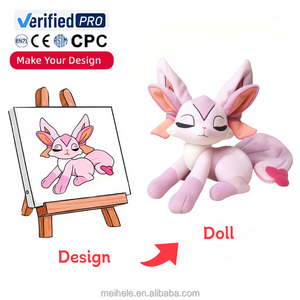
Manufacturer Custom Plush Stuffed Animal Toys Make Your Own Plush Design Custom Logo
Contact Us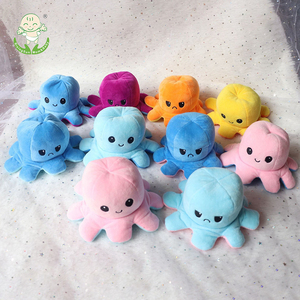
Cute Reversible Plush Octopus Doll - Flip To Show Different Moods Adorable Stuffed Toy
Contact Us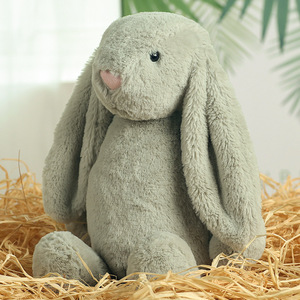
Wholesale Price Children's Toys Cute Long Eared Rabbit Doll Plush Toy Holiday Gifts
Contact Us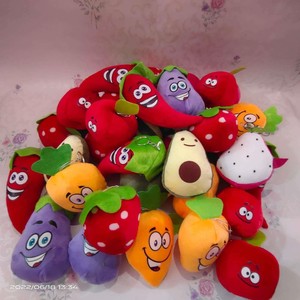
Wholesale Low Price Animal PP Cotton Keychain Doll Grabbing Machine Creative Soft Toy
Contact Us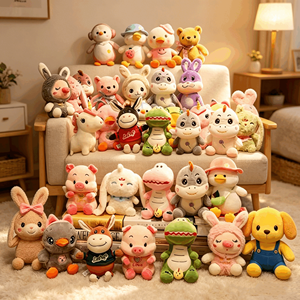
[Arcade Supplies] Bulk 8" Plush Toy Mix for Claw Crane Machines Vending Gifts
Contact Us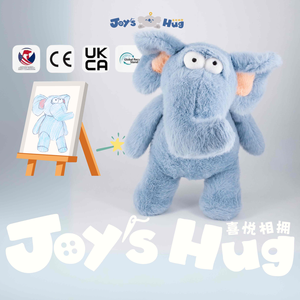
Factory Price Custom Design Cartoon Blue Elephant Plushie Cotton Stuffed Animal Toys
Contact Us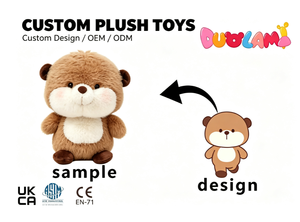
Custom Beaver Plush Toy Cute Fluffy Cartoon Character Stuffed Doll Wholesale
Contact Us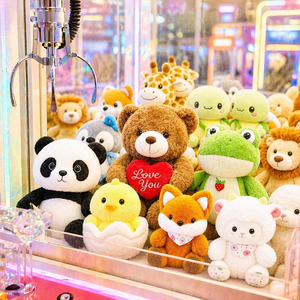
Factory Wholesale 8 Inch Plush Toys Suitable for Claw Machine Design Your Own Plush
Contact UsThe Technical Architecture of CE-Certified Stuffed Animal Manufacturing
In the European Economic Area (EEA) and global consumer markets, importing stuffed animals requires strict compliance with the European Toy Safety Directive (2009/48/EC). True compliance goes beyond adding a mark; it involves documented chemical safety, physical testing, and full supply-chain traceability.
As a global B2B buyer—whether procuring for retail chains, amusement parks, or corporate brand campaigns—navigating regulatory requirements protects your business from customs seizures, costly recalls, and legal liabilities. Certified manufacturers like Toytales (with 18+ years of dedicated OEM/ODM production) integrate compliance directly into product engineering from raw material selection to automated needle detection.
Understanding the EN71 Harmonized Safety Standards
To legally display the CE mark on soft toys, products must undergo rigorous laboratory validation under the mandatory EN71 standard suite:
EN71-1: Mechanical & Physical
Evaluates structural integrity under stress. Includes tension testing (ensuring seams and attached parts like hard plastic eyes withstand forces ≥ 70N), torque tests, drop tests, and small-parts cylinder checks to prevent choking hazards in children under 36 months.
EN71-2: Flammability
Regulates the burn rate of plush fabrics and synthetic poly-fill fibers. Certified items must demonstrate a flame spread rate not exceeding 30 mm/s or self-extinguish quickly upon flame exposure to prevent burn injuries.
EN71-3: Chemical Migration
Restricts 19 toxic heavy metals (including Lead, Cadmium, Chromium VI, and Organic Tin). Testing utilizes Inductively Coupled Plasma Mass Spectrometry (ICP-MS) to ensure zero toxic chemical transfer via saliva or skin contact.
Comprehensive Chemical Safety & Material Traceability
Beyond EN71, global buyers must comply with chemical safety regulations including REACH (EC 1907/2006) Annex XVII restrictions on Phthalates (DEHP, DBP, BBP, DINP), Azo Dyes, and Short-Chain Chlorinated Paraffins (SCCPs). Enterprise-grade factories source OEKO-TEX Standard 100 Class I certified fabrics—ensuring that even raw plush fibers, embroidery threads, and internal stuffing are hypoallergenic and safe for infants.
Future Sourcing & Manufacturing Trends (2025–2030)
The plush toy market is evolving from basic commoditized soft toys to sustainable, interactive, and ethically manufactured products. B2B procurement teams must adapt to shifting global consumer expectations and regulatory changes.
1. Sustainable Fabrics & Circular Plush (rPET)
Eco-conscious buyers are moving toward recycled plush fabrics and stuffing derived from post-consumer recycled plastic bottles (rPET). Certified under Global Recycled Standard (GRS), these eco-friendly options allow brands to reduce carbon footprints while retaining soft texture and durability.
2. Interactive, Sensory & Sensory-Soothing Toys
Demand is surging for sensory-oriented plush items—including weighted stuffed animals for anxiety relief, reversible mood toys (such as flipping octopuses), and toys integrated with NFC chips, sound modules, or heartbeat simulators for educational and therapeutic uses.
3. Multi-Region Supply Chain Diversification
Global procurement teams are mitigating geopolitical risks and tariff fluctuations by diversifying production across established hubs like India (New Delhi / Ghaziabad manufacturing centers) and Southeast Asia, combining cost efficiency with reliable compliance.
4. Automated Precision Prototyping
Modern plush factories use 3D CAD modeling and automated laser cutting instead of manual paper patterning. This reduces design-to-sample approval cycles from weeks to days, delivering accurate physical prototypes with minimal fabric waste.
5. High-Tensile Arcade & Vending Merchandise
The rapid expansion of global claw machines and arcade venues requires custom-engineered 8-inch to 12-inch plush mixes. These items feature reinforced stitching and consistent volumetric weight for efficient vending operations.
6. Full Supply Chain Transparency
Tier-1 retail buyers demand real-time visibility into factory audits (BSCI, SMETA, ISO 9001). Audited facilities protect brand reputation by enforcing strict labor standards, fair wages, and safe working conditions.
CE-Certified vs. Non-Compliant Plush Suppliers
A detailed operational breakdown of manufacturing standards between audited, certified OEM factories and unverified low-cost workshops.
| Evaluation Parameter | Certified Factory (e.g., Toytales) | Uncertified Workshop / Supplier |
|---|---|---|
| Safety Compliance | Full EN71-1/2/3, CE Mark, ASTM F963, REACH certified with up-to-date lab test reports. | Self-declared CE mark without accredited third-party test reports; high risk of customs seizure. |
| Chemical & Heavy Metals | OEKO-TEX 100 Class I fabrics; 0% phthalates, lead, or toxic azo dyes. Infant safe. | Unverified raw material stock; potential toxic metal migration and skin irritants. |
| Physical Safety & Seams | Seam strength ≥ 70N; double-locked safety eyes; zero small part detachment risk. | Weak single stitching; glued components easily pull off, creating choking hazards. |
| Quality Control & Metal Check | 100% two-pass conveyor metal detection (detects broken sewing needles down to 0.8mm). | Manual visual inspection only; high risk of internal broken needles remaining in poly-fill. |
| Traceability & Auditing | Batch traceability codes, ISO 9001 quality management, complete factory audit trails. | No lot tracking, non-compliant working conditions, lack of accountability during disputes. |
The 7-Step Custom Soft Toy Development Process
From digital concept render to retail-ready delivery—how certified factories convert client artwork into safe, high-quality plush products.
Step 1: Concept Artwork & Blueprinting
Clients submit 2D character sketches, AI renders, or physical samples. Engineering teams analyze structural dimensions, embroidery details, and seam placement to create a manufacture-ready production blueprint.
Step 2: 3D Patterning & Prototyping
Master patternmakers translate blueprints into digital 3D fabric cuts. Initial pre-production counter-samples are stitched using client-selected plush fabrics (minky, soft velour, faux fur, or eco-rPET) for design sign-off.
Step 3: Lab Testing & Safety Certification
Golden samples are dispatched to accredited international laboratories (SGS, TÜV, Intertek, or Bureau Veritas) for EN71 physical pull testing, flammability checks, and chemical migration testing.
Step 4: Precision Cutting & High-Density Embroidery
Bulk production begins using automated CNC laser fabric cutters, guaranteeing 100% dimensional consistency across thousands of units. Facial features and corporate logos are applied via high-speed embroidery machines.
Step 5: Hand-Assembly & Ultrasonic Stuffing
Skilled seamstresses assemble plush skins with double-reinforced lockstitching. Clean, virgin 100% PP cotton or hypoallergenic recycled poly-fill is pneumatically injected to ensure uniform softness and elasticity.
Step 6: Dual-Pass Metal Detection & Final QC
Every single finished stuffed animal passes through high-sensitivity electromagnetic metal detectors to screen for tiny needle fragments. Quality control teams perform inline AQL 2.5 random sampling.
Frequently Asked Questions (FAQ) for B2B Buyers
Answers to common operational, regulatory, and logistics queries from retail sourcing directors and product managers.
Q1: How do CE-certified stuffed animal factories guarantee EN71 compliance?
Certified factories enforce strict quality management systems (ISO 9001 compliant) covering every stage of production. Raw material fabrics undergo chemical screening (REACH & EN71-3) before cutting. Finished items undergo tensile seam tests (≥ 70N), flammability assessments, and independent third-party lab verification (SGS/TÜV/Intertek) to generate valid Certificates of Conformity (CoC).
Q2: What safety documentation is required to clear European Customs?
To clear EU customs smoothly, importers must present: (1) An official EC Declaration of Conformity (DoC) issued by the manufacturer, (2) Third-party EN71 Parts 1, 2, and 3 test reports, (3) Factory batch traceability labels on products, and (4) CE marking permanently attached via sewn-in care labels.
Q3: What are the standard Minimum Order Quantities (MOQ) and production lead times?
Standard MOQs for custom OEM plush development typically range from 500 to 1,000 units per design, depending on custom fabric dyeing requirements and product size. Sample prototyping takes 7 to 10 working days, while full mass production runs take 25 to 35 calendar days following golden sample approval.
Q4: How does Toytales prevent needle contamination in plush toys?
Toytales operates a mandatory closed-loop needle control policy. Sewing machine operators must return broken needles in full to receive replacements. Additionally, 100% of finished plush items pass through automated dual-channel conveyor metal detectors calibrated to detect ferrous and non-ferrous particles as small as 0.8mm.
Q5: Which plush fabrics are safest for newborn and infant product lines?
For infants under 36 months, we recommend super-soft short pile minky fabrics, organic cotton velvet, or OEKO-TEX Class I certified plush materials. Facial features should be 100% embroidered rather than using plastic eyes or buttons to eliminate choking risks entirely.
Q6: Can CE-certified stuffed animals also comply with US ASTM F963 and CPSIA standards?
Yes. While CE/EN71 is the regulatory standard for Europe, Toytales engineers plush products for multi-market export. By combining EN71 specifications with US ASTM F963 and CPSIA lead/phthalates restrictions, a single manufacturing run can meet compliance requirements for North America, Europe, Australia, and the Middle East.
Q7: What primary cost factors influence unit pricing for custom plush toys?
Key pricing variables include: (1) Physical dimensions and overall volumetric weight, (2) Fabric type (standard polyester vs. eco-friendly rPET or high-pile faux fur), (3) Intricacy of patterns and total seam count, (4) Ratio of embroidery to printing, and (5) Total production quantity per batch.
Q8: How does Toytales manage international shipping and logistics?
We offer complete international B2B shipping options, including EXW, FOB (Indian ports / international hubs), CIF, and DDP (Delivered Duty Paid direct to customer distribution centers). Products are vacuum-packed into heavy-duty corrugated export cartons to optimize shipping volume and reduce freight costs.
Why Global Buyers Partner with Toytales
Combining over 18 years of manufacturing expertise, strong R&D capabilities, and modern infrastructure to deliver superior stuffed animal collections for international markets.
18+ Years Manufacturing Excellence
Headquartered in New Delhi with dedicated manufacturing infrastructure in Tronica City, Ghaziabad, Toytales has grown into a trusted B2B OEM/ODM partner across domestic and global markets.
Uncompromised Safety & Quality Control
Every plush series undergoes stringent internal stress testing, material checks, and third-party laboratory verification. We deliver 100% compliant products that protect your brand reputation.
Full OEM & ODM Turnkey Capabilities
From initial hand-drawn concept sketches to final retail packaging designs, our in-house design studio turns creative character concepts into commercially viable, mass-producible plush products.
Flexible Order Quantities & Bulk Supply
We serve both growing retail brands and large global distributors with flexible MOQs, competitive direct-factory tier pricing, and scalable production output.
Ready to Scale Your Plush Toy Line with Certified Supply Chain Excellence?
Partner directly with an established manufacturer. Request a custom sample, submit your design tech packs, or consult our engineering team for instant B2B quotation support.