



China Toy Manufacturing Landscape: Technical Specifications, Safety Compliance, and Sourcing Optimization
As the global toy market scales toward a projected $150 Billion valuation, international buyers, brand licensing executives, and arcade vendors face increasingly complex supply chain parameters. Navigating China's premier toy production ecosystems requires an intimate understanding of material engineering, compliance testing frameworks, fabric density optimization, and structural design integrity.
1. Fabric Selection & Material Engineering Metrics
Plush toy manufacturing relies heavily on tactile acoustics, pile height consistency, and yarn tensile performance. Selecting the right synthetic or organic textile dictates both unit cost and end-consumer satisfaction.
| Fabric Type | Pile Height Range | GSM (Grams/Sq Meter) | Primary B2B Application | Compliance Suitability |
|---|---|---|---|---|
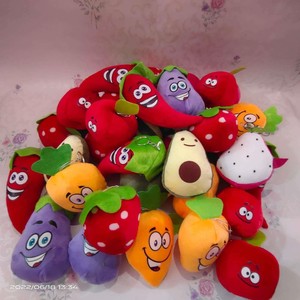
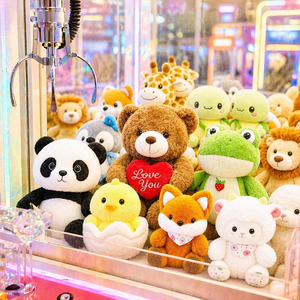
| Crystal Super Soft Velvet | 1.5mm - 3.0mm | 220 - 280 GSM | Arcade Plush, Keychains, Mascot Toys | EN71, ASTM F963, REACH |
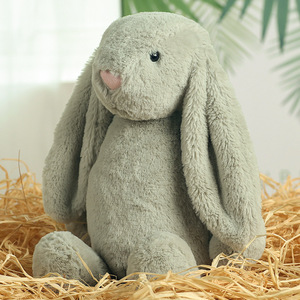
| PV Fleece / Coral Plush | 7.0mm - 18.0mm | 280 - 350 GSM | Boutique Teddy Bears, Premium Dolls | ISO 8124, CPSIA Compliant |
| RPET Recycled Fiber Plush | 2.0mm - 10.0mm | 240 - 320 GSM | Eco-Conscious Retail & Corporate Gifts | GRS Certified, OEKO-TEX 100 |
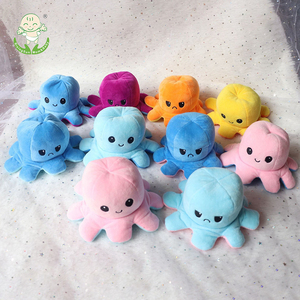
| Short Velboa (Printed) | 1.0mm - 2.0mm | 180 - 240 GSM | Detailed Character Dolls, Reversible Plush | Heavy-Metal Free, Flame Retardant |
2. Technical Safety Compliance & Quality Assurance Workflows
Exporting stuffed animals to North America, Europe, and the APAC region requires strict compliance with international toy safety directives. Non-compliance leads to customs holds, costly recalls, and legal exposure. Our manufacturing methodology incorporates a four-stage quality gate system:
- Mechanical & Physical Testing (EN71-1 / ASTM F963 Section 4): Ensures seam integrity under a 70-Newton tension test, preventing small parts detachment (such as plastic eyes or internal sound boxes) that pose choking risks for infants.
- Flammability Analysis (EN71-2): Regulates the rate of flame spread across plush pile, ensuring self-extinguishing properties when exposed to small ignition sources.
- Toxicology & Heavy Metals (EN71-3 / CPSIA): Verifies that all dyes, pigments, plastic parts, and stuffing materials (such as 100% 3D virgin PP cotton) are completely free of lead, phthalates, cadmium, and azo colorants.
- Automated Metal Needle Inspection: Every stuffed item passes through high-sensitivity dual-head conveyor needle detectors (detecting ferrous particles down to 0.8mm) to guarantee absolute safety prior to vacuum packaging.
3. CAD Pattern Engineering & Rapid OEM Prototyping Pipeline
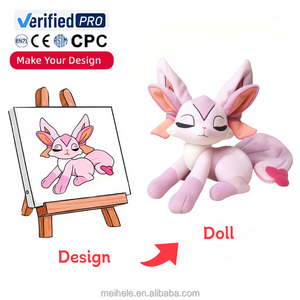
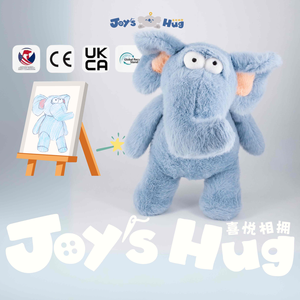
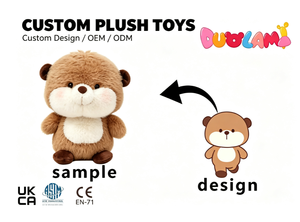
The journey from a 2D concept illustration or corporate mascot render to a physical, mass-producible plush doll involves complex pattern engineering. Using advanced 3D plush modeling software, our pattern masters calculate seam allowances, fiber grain direction, and stuffing volume to match the client's artwork precisely.
During the prototyping stage, initial paper patterns are computer-cut via laser cutters to eliminate human error. Master samples undergo physical review for proportion, facial embroidery placement, and tactile softness before gold-sample approval and mass production tool locking.