



![[Arcade Supplies] Bulk 8 Inch Plush Toy Mix for Claw Crane Machines](/source_global/058f807132bc728ed51b7c9dc8fe3618/H9d2a136d6f8e4c43bc724b3e07e61d32F.png_300x300.png)
Navigating the Global Soft Plush Manufacturing Landscape: Trends, Regulatory Changes, and Procurement Strategies
The global soft plush toys and stuffed animals market is undergoing a seismic shift. Driven by changing consumer demographics—specifically the explosive rise of the "kidult" buyer segment—alongside stringent international chemical safety legislation, procurement officers and retail distributors must re-evaluate their Chinese supply chains. Selecting the right China soft animals supplier and exporter requires analyzing technical capabilities beyond basic unit pricing.
1. Key Market Drivers & Procurement Trends (2025–2030)
Procurement teams are shifting from transactional purchasing toward strategic ODM partnerships. Modern buyers prioritize suppliers capable of delivering three core competencies:
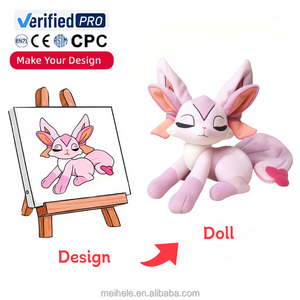
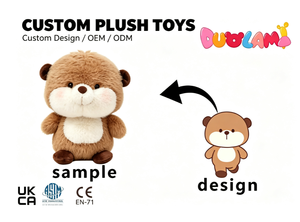
- Kidult & IP Character Monetization: Plush toys are no longer strictly for toddlers. Anime IP licensing, corporate brand mascots, and collector plush figures command premium retail price points. Suppliers must offer high-precision computer-guided embroidery, plush density ranging from 280 GSM to 450 GSM, and custom facial sculpting.
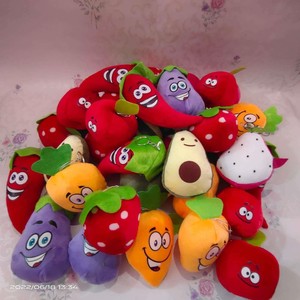
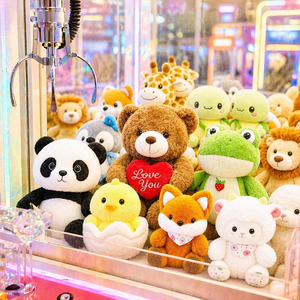
- Claw Machine & Arcade Bulk Demand: The global expansion of family entertainment centers (FECs) and claw machines has spiked demand for 7 to 9-inch durable plush toys. Suppliers must balance low unit costs with high seam strength to withstand mechanical gripping arms.
- ESG Compliance & RPET Transition: European and North American importers face stringent ESG disclosure mandates. Modern factories utilize GRS (Global Recycled Standard) verified fibers derived from post-consumer recycled plastic bottles, reducing carbon footprints by up to 40% without compromising tactile softness.
2. Safety Standards & Compliance Benchmarks for Exporters
Exporting soft plush animals from China into regulated Western markets requires absolute compliance with zero tolerance for non-conformity. Leading manufacturing plants implement end-to-end quality assurance (QA) frameworks covering:
| Target Region | Regulatory Standard | Critical Testing Parameters | Compliance Action Item |
|---|---|---|---|
| European Union (EU) | EN 71 Parts 1, 2, 3 & REACH | Mechanical safety, flammability, heavy metals, phthalate plasticizers. | CE Marking, Declaration of Conformity (DoC), Technical Documentation File. |
| United States | ASTM F963 & CPSIA | Lead in surface coatings, small parts choke hazards, seam pull force (>15 lbs). | Children's Product Certificate (CPC), accredited 3rd party lab test reports. |
| International / Global | ISO 8124 / GRS / BSCI | Factory ethical labor, physical safety, recycled material provenance. | Factory audit reports, metal detection scanning logs for every carton. |
3. Material Engineering: Fabric Density, Fillers, and Construction Tech
The longevity, softness, and safety of plush animals depend entirely on material selection and structural pattern engineering. Professional OEM manufacturers leverage advanced fiber technologies:
- Crystal Super Soft Velboa: A short-pile synthetic velvet featuring high yarn density (300+ GSM). Ideal for detailed character printing and plush toys requiring smooth, non-shedding surfaces.
- South Korean Coral Fleece & PV Plush: Long-pile (15mm to 35mm) textured plush suitable for fluffy teddy bears, animal hair simulation, and luxury sensory plush lines.
- Virgin 3D/7D Hollow PP Cotton Filling: High-resilience polypropylene staple fibers engineered with internal air cavities. Delivers superior bounce-back recovery, washing durability, and zero odor retention.
- Double-Lock Safety Seam Stitching: Standard plush manufacturing uses single-line chain stitches. Tier-1 exporters utilize dual-needle overlock stitching with high-tensile nylon thread, ensuring seams withstand extreme pull forces without bursting.