



![[Arcade Supplies] Bulk 8 Inch Plush Toy Mix for Claw Crane Machines Factory Wholesale](/source_global/058f807132bc728ed51b7c9dc8fe3618/H9d2a136d6f8e4c43bc724b3e07e61d32F.png_300x300.png)
⚙️ Strategic Overview: China-to-Nigeria Educational Toy Corridor
The Nigerian educational sector is undergoing a rapid structural transition. With over 42% of its population under the age of 15, Nigeria represents one of the largest consumer demographics for early childhood development (ECD) tools and STEM-oriented learning equipment in Sub-Saharan Africa. Importers, school procurement boards, and wholesale distributors in trade hubs like Lagos (Idumota and Balogun markets), Kano (Kantin Kwari), and Onitsha are experiencing unprecedented demand for non-toxic, durable plastic and multi-sensory educational toys.
As premier China educational plastic toys manufacturers and global exporters, our manufacturing facility bridges the gap between cost-effective high-volume injection molding and stringent international safety standards. Navigating the Nigerian toy import landscape requires more than just low unit costs; it demands absolute compliance with the Standards Organisation of Nigeria Conformity Assessment Program (SONCAP), structural resilience to withstand tropical climate conditions, and high educational value that aligns with modern STEM curricula.
📈 Macro Trends & Economic Drivers in the Nigerian Toy Sector
Understanding the micro and macro-economic factors governing West Africa’s largest economy is vital for institutional buyers and commercial importers. Our ongoing market research highlights four key trends shaping procurement strategies:
UBEC & SUBEB Institutional Push
The Universal Basic Education Commission (UBEC) and State Universal Basic Education Boards (SUBEB) across Nigeria are increasingly allocating capital toward manipulative learning materials, Montessori plastic blocks, and tactile cognitive play units for public primary schools.
Private Academy Expansion
Rapid growth in middle-class enrollment across private crèches, nurseries, and international preparatory schools in Lagos (Ikeja, Lekki), Abuja (Maitama, Asokoro), and Port Harcourt has created a premium market segment prioritizing non-toxic materials, sensory softness, and STEM accreditation.
STEM & STEMA Integration
Modern Nigerian parents are shifting focus from purely decorative toys to functional learning tools. Geometric construction sets, mechanical gear puzzles, and multi-sensory hybrid plush-plastic units are experiencing a 35% year-on-year growth rate in urban retail centers.
Technical Matrix: Material Specification vs. Market Performance
To assist Nigerian purchasing managers in optimizing landed-cost efficiency versus durability, we have compiled a structural comparison of raw materials used in our Chinese manufacturing plants:
| Polymer / Material Type | Tensile Strength & Safety Profile | Target Local Application | SONCAP / Regulatory Clearance Status |
|---|---|---|---|
| Virgin Acrylonitrile Butadiene Styrene (ABS) | High impact resistance, non-toxic, zero heavy metals, chemical-resistant. | STEM interlocking building blocks, educational robot chassis. | Fully Approved (Passed EN71-1, 2, 3 & ASTM F963) |
| Food-Grade Polypropylene (PP) | Flexible, lightweight, BPA-free, moisture-impermeable. | Sort & stack shape sorters, counting beads, classroom storage trays. | Fully Approved (Passed ISO 8124 Part 1) |
| High-Density Polyethylene (HDPE) | Ultra-durable, weather-resistant, zero phthalate leaching. | Outdoor playground slides, oversized architectural building blocks. | Fully Approved (Complies with MANCAP/SONCAP) |
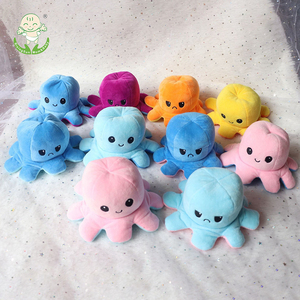
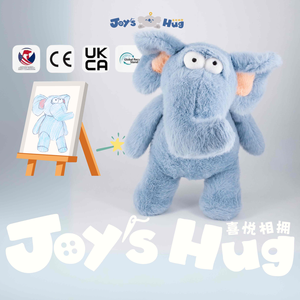
| Hypoallergenic PP Cotton & Soft Velvet | Flame retardant, dust-mite resistant, reinforced stitching. | Plush mascots, tactile sensory octopus dolls, early childhood comfort toys. | Fully Approved (Passed Mechanical & Physical Safety Checks) |
📍 Localized Application Scenarios Across Nigerian Trade Hubs
Our educational plastic and multi-sensory toys are engineered to fit distinct commercial and institutional environments throughout Nigeria. By analyzing end-user interactions, we tailor our export packaging and product configurations for specific market channels:
1. Private Early Learning Centers & Montessori Academies
In major educational hubs like Lekki Phase 1, Victoria Island, and Abuja Central District, crèches require hygienic, easily sanitizable plastic learning aids. Our color-coded counting blocks, reversible sensory plush toys, and tactile animal figures are routinely integrated into daily early-years foundation stage (EYFS) curricula to foster fine motor skills, emotional literacy, and spatial awareness.
2. Commercial Supermarket Chains & Modern Retail
Tier-1 retail outlets such as Shoprite, Spar, Prince Ebeano Supermarket, and Hubmart require shelf-ready, barcode-labeled, anti-tamper blister packaging. Our retail-ready educational plastic kits come with high-clarity packaging, English instructional inserts, and standardized EAN-13 barcodes optimized for automated point-of-sale (POS) systems across Nigeria.
3. High-Density Wholesale Markets (Idumota, Onitsha Main Market, Sabon Gari)
Bulk importers serving traditional open-market channels require high-density master carton packing to optimize container load factors (CBM calculations). We utilize 5-ply double-wall corrugated shipping boxes engineered to withstand stacking pressures in 40ft High Cube (HC) sea containers routed through Apapa Port, Tin Can Island, or Onne Port.
4. Family Entertainment Centers, Arcades & Claw Machines
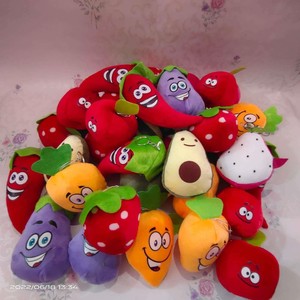
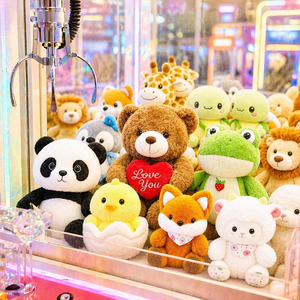
Urban amusement parks and indoor arcades in Ikeja City Mall, Silverbird Galleria, and Port Harcourt Mall rely on our bulk 8-inch plush and plastic hybrid crane machine toys. These items offer high visual appeal, vibrant color saturation, and optimized weight dynamics for automated grabbing mechanisms.
🛡️ Manufacturing Authority: Why Partner With Our Factory
With over 18 years of specialized B2B manufacturing experience, our enterprise operates an ISO-compliant production facility equipped with high-precision injection molding machinery, automated plush stitching lines, and in-house laboratory testing infrastructure. We provide full-scope OEM and ODM services for international brands, private labels, and sovereign procurement agencies.
End-to-End Mold Engineering
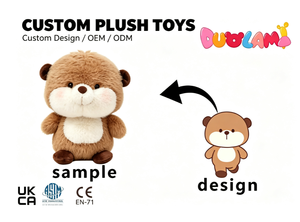
Custom tooling capabilities allow us to turn CAD designs into physical plastic prototypes within 14 days, providing tailored branding, embossed logos, and proprietary educational geometry.
Stringent Chemical & Physical Testing
Every production batch undergoes XRF spectrometry to verify zero lead, cadmium, or phthalate content, ensuring effortless customs clearance with Nigerian regulatory authorities.
Optimized CBM & Logistics Support
Our proprietary vacuum-compression and modular nesting packaging techniques reduce total freight volumes by up to 35%, drastically lowering landed freight costs per unit for Nigerian importers.
📜 Step-by-Step Regulatory & Customs Clearance Protocol for Nigeria
Successfully importing educational plastic toys from China to Nigeria requires total adherence to the Federal Government of Nigeria's import regulations. Below is the operational roadmap managed by our export desk:
- Product Certification (PC): Before initiating container loading, the importer must obtain a Product Certificate (PC Unregistered, Registered, or Licensed) issued by an authorized SON International Accreditation Firm in China. Our quality control team coordinates direct factory sampling to secure valid PCs.
- Form M Processing: With the Product Certificate and Proforma Invoice provided by our factory, the Nigerian importer opens a Form M on the Nigerian Single Window Trade Portal via their Authorised Dealer Bank in Nigeria.
- Pre-Shipment Inspection & SONCAP Certificate (SC): Upon completion of mass production, our factory facilitates physical inspection and container loading supervision. The final SONCAP Certificate (SC) is issued, allowing seamless clearance at Nigerian customs.
- Pre-Arrival Assessment Report (PAAR): The importer's bank submits the SC, Commercial Invoice, Packing List, and Bill of Lading (B/L) to the Nigeria Customs Service (NCS) portal to generate the PAAR required for container release at Apapa or Onne ports.